Broadview, Illinois
Mold Remediation and Removal in Broadview, IL
Local mold remediation in Broadview addresses the source, contains the area, removes the growth, and dries the structure thoroughly, with specialists who work with your insurance carrier.
When you call
What happens when you call Broadview's 24/7 line
Call (844) 352-3560 any hour. The line is answered 24/7 and insurance is accepted.
The process
The mold remediation and removal process in Broadview, IL
Inspect
The area is inspected, moisture readings are taken, and the source of the problem is identified to create a written scope of work.
Contain
Plastic containment and negative air pressure are used to prevent spore spread to clean areas of the home during remediation.
Remove
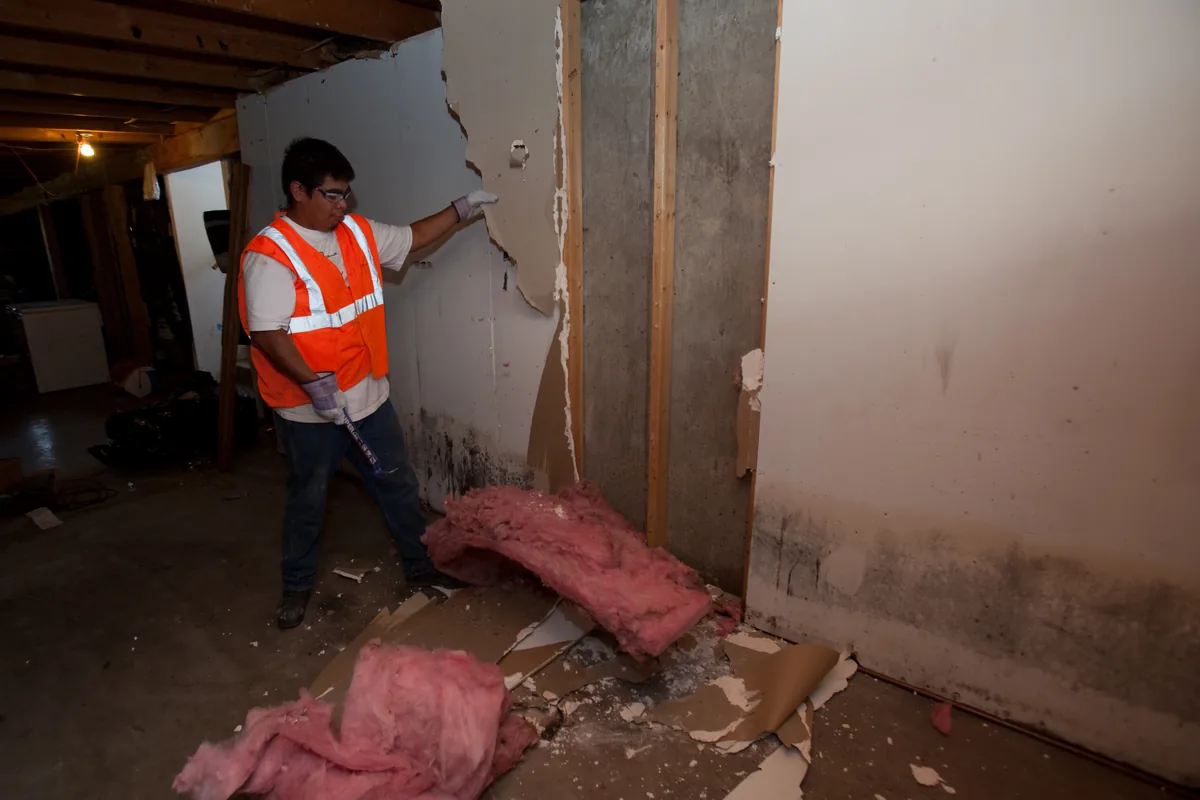
Porous materials like drywall and insulation are removed and bagged; hard surfaces are cleaned with HEPA vacuums and treated.
Dry
Industrial air movers and dehumidifiers lower the moisture level in the structure to prevent mold from regaining a foothold.
Verify
A final verification includes moisture checks to confirm the area is dry and ready for any necessary reconstruction.
Why Broadview homeowners call
Mold Remediation done to the IICRC S520 standard in Broadview, IL
Adherence to IICRC S520 Standards
Containment, negative air pressure, HEPA filtration, and moisture verification follow the S520 standard for reliable remediation work.
Insurance Coordination with Your Carrier
Insurance is accepted, and specialists assist with your carrier on covered claims to simplify the process during a mold issue.
Knowledge of Broadview and Cook County
Local crews understand common moisture issues in Broadview neighborhoods and how seasonal weather affects area homes.
Thorough Documentation and Accountability
Each job includes photographic documentation, moisture readings, and a written scope, creating a clear record of the work performed.
When to call
When to book Mold Remediation in Broadview
- Visible mold growth covering roughly 10 square feet or more on walls or ceilings
- A persistent musty smell that returns after cleaning
- Standing water present in the home for more than 24 to 48 hours
- Residents experiencing allergy or asthma relief when away from the house
- Stained, bubbling, or softened drywall near a past water leak
- Laboratory tests indicating elevated indoor mold spore levels compared to outdoors
Any one of these is reason enough to call (844) 352-3560, the line is answered 24/7.
Scope of work
What the crew removes and treats in Broadview homes
Drywall and gypsum
Drywall cut out at studs, bagged, and disposed of properly
Fiberglass insulation
Wet insulation removed entirely, never dried in place
Framing and joists
Framing lumber HEPA vacuumed, sanded if needed, and treated with antimicrobial solution
Subfloor and OSB
Roof sheathing checked for moisture, dried or replaced to sound material
Carpet and pad
Carpet padding discarded; carpet may be saved if it can be dried and cleaned
Ductwork and registers
HVAC system sealed during work, then cleaned before reactivation
Not sure how far the damage runs? Describe it on the phone at (844) 352-3560, the line is answered 24/7.
By location
Mold Remediation by city
Mold Remediation covers Broadview and the whole Cook County area. Pick your city for local detail and pricing.
Where the crews work
Mold Remediation across Broadview & the Cook County area
From Broadview out to Maywood, Westchester, Bellwood, and the Cook County area. The same crews, the same 24/7 line.
What it costs
Mold removal cost in Broadview, IL
Every job is different, so these are the typical Illinois ranges. They are planning numbers, not a quote. Your price depends on how much mold there is, where it is, and what caused it.
A single moldy spot, a closet, or under a sink. The crew seals it off, removes it, and treats the surface.
A bathroom, kitchen, or bedroom with mold on a wall or ceiling, plus the moisture source fixed.
Larger areas that need more containment and drying. Common here after spring rain or a slow leak.
Mold across several rooms or after major water damage. The work runs in phases, room by room.
The surest way to get a firm number is to call and have the crew walk the space with you. Want a ballpark first? Try the instant mold remediation cost calculator. Filing a claim? Insurance is accepted and the contractor works with your carrier, so read the mold insurance claims guide.
Time and scope
How long Mold Remediation takes in Broadview, and what is included
How long the job takes
The duration depends on the affected square footage, number of rooms involved, and material saturation. The drying phase to reach target moisture levels often determines the completion date.
What is included, what is booked separately
- A written scope of work with supporting photos and moisture readings after inspection
- Setup of containment barriers, negative air pressure, and HEPA filtration in the work zone
- Removal and proper disposal of unsalvageable porous building materials
- Structural drying and antimicrobial treatment of salvageable surfaces
- Documentation assembled for submission with an insurance claim
Booked separately: Mold inspection, Clearance testing, Rebuild and restoration.
For a firm schedule and a written scope, call (844) 352-3560, the line is answered 24/7.
On the job
Mold remediation work in Broadview homes
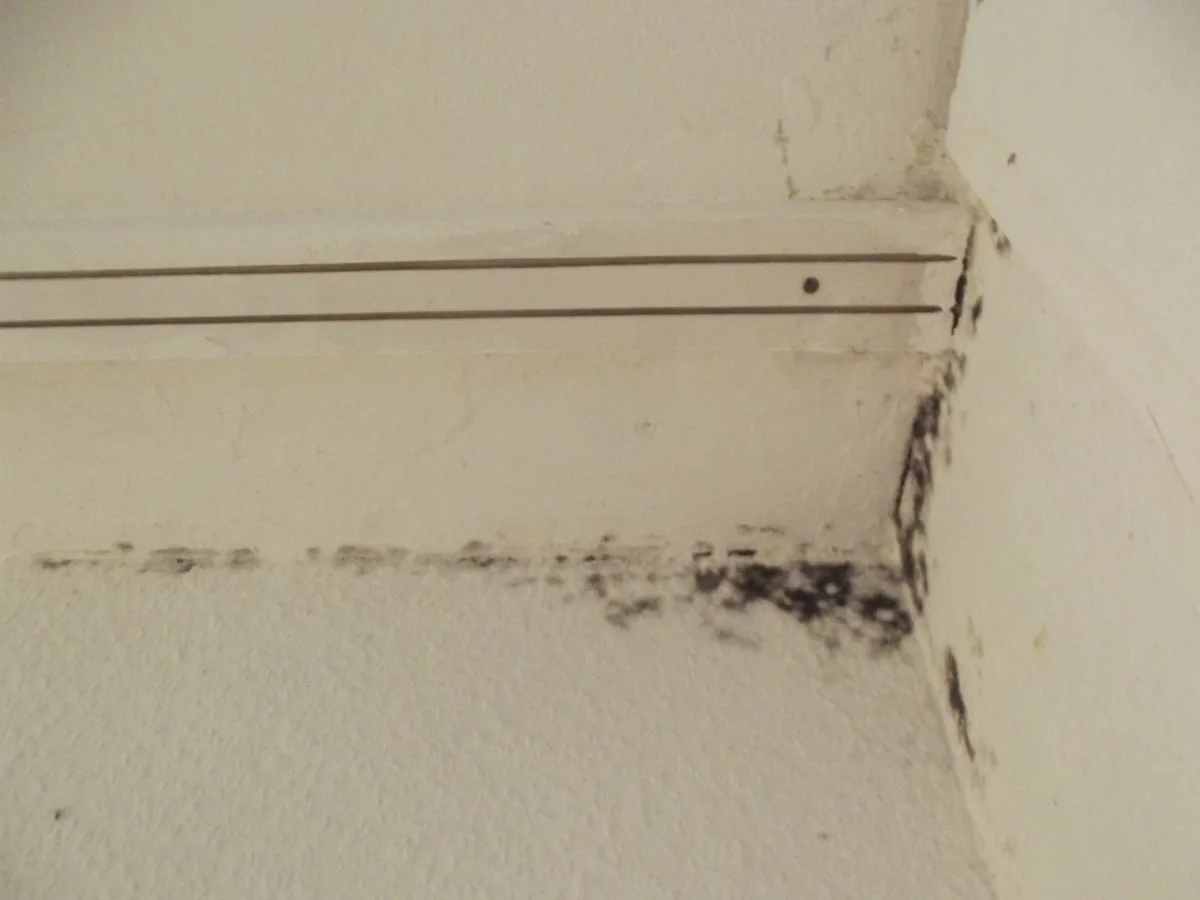
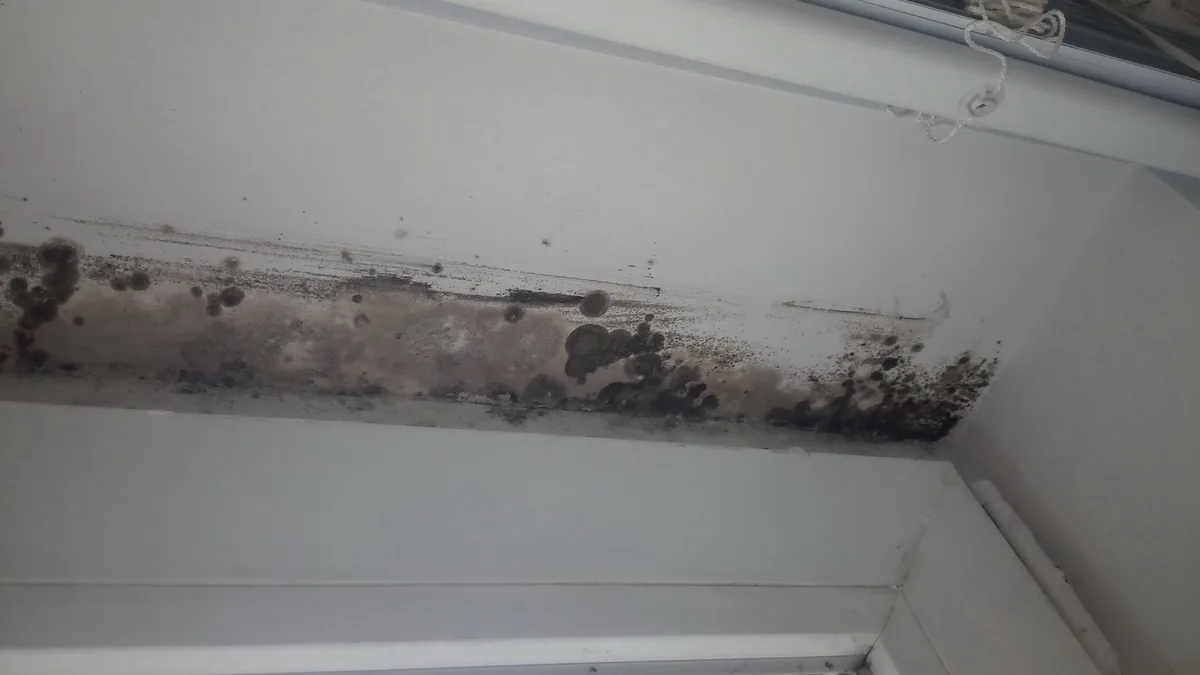
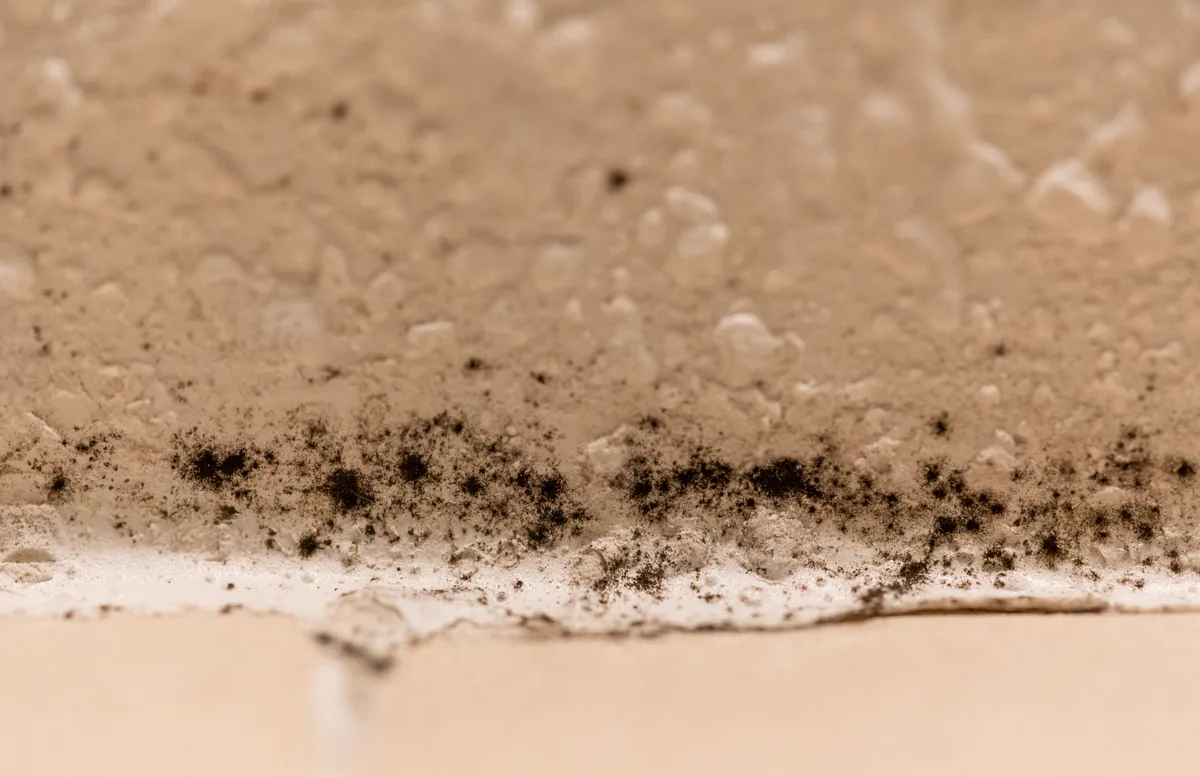
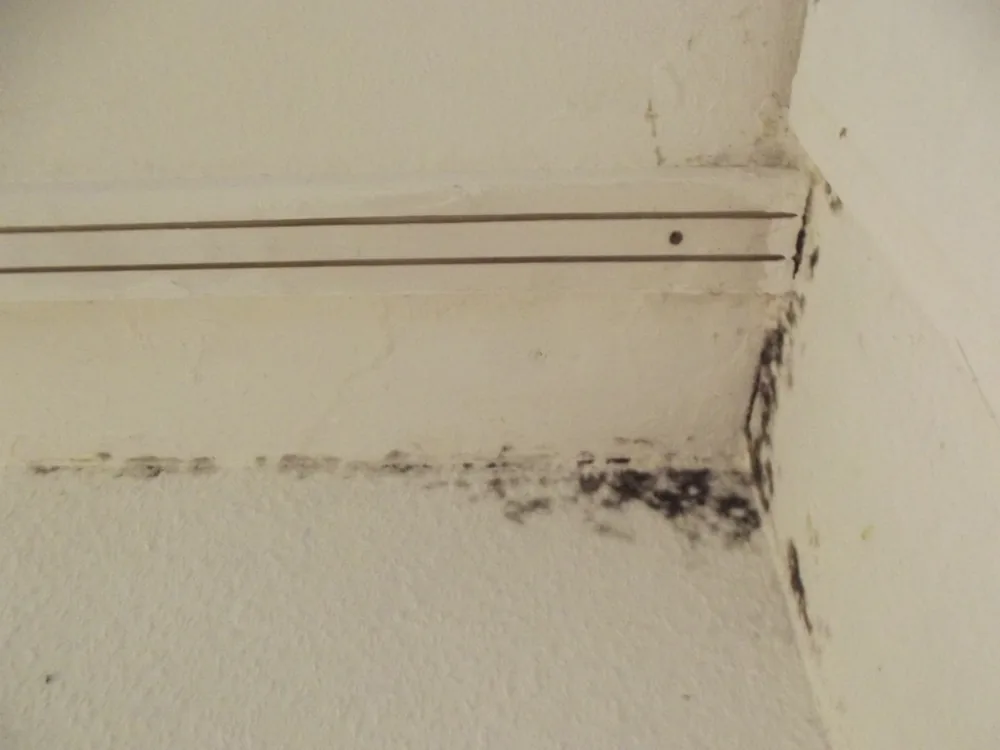

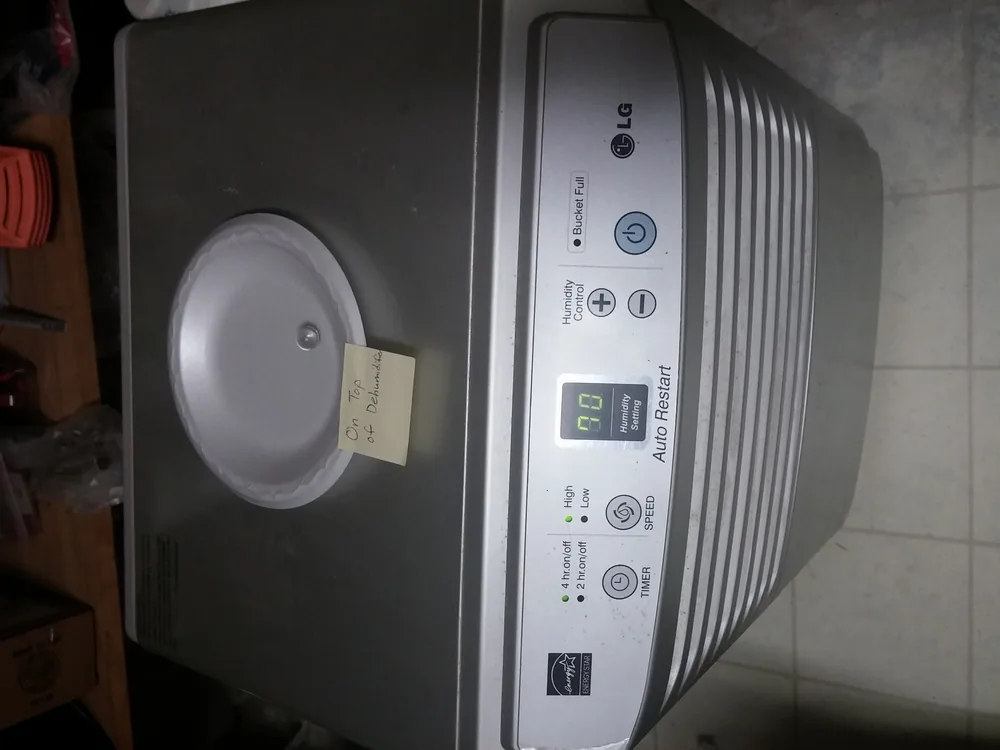
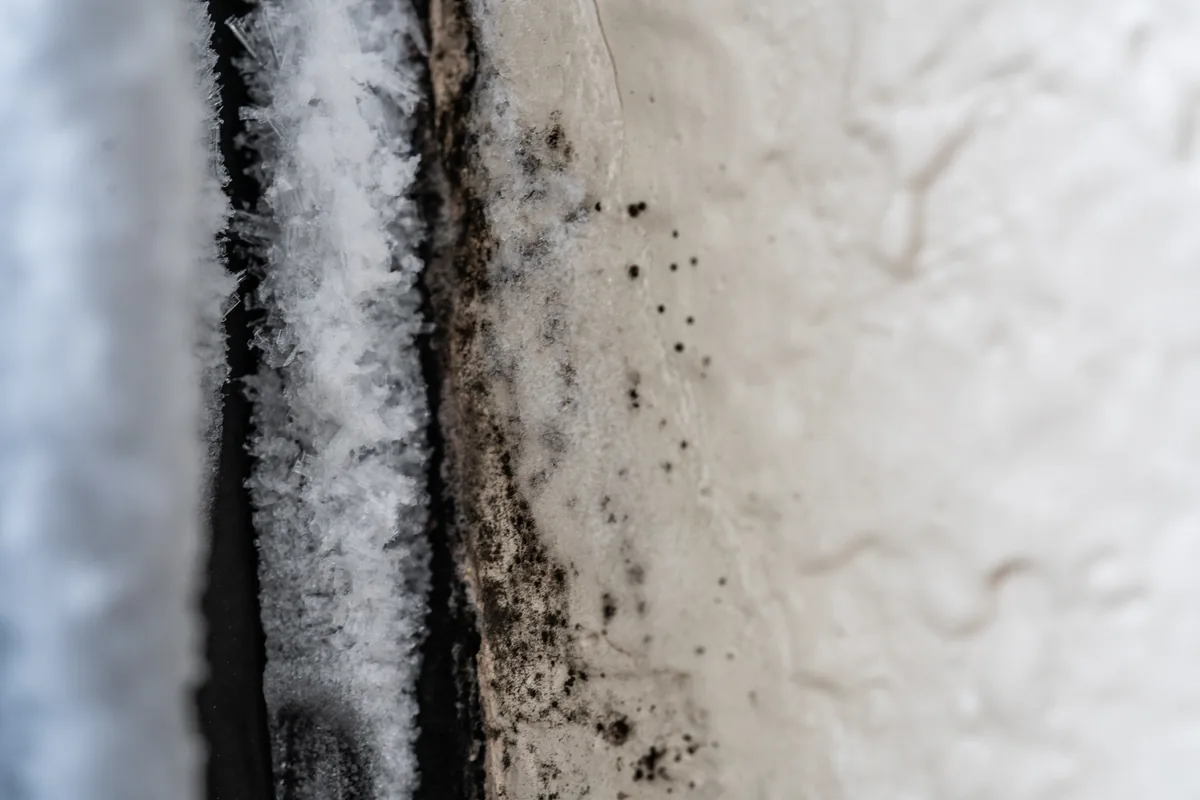

Understanding the Mold Remediation Process
Mold remediation is a defined process of locating the moisture source, sealing the affected area, removing contaminated materials, and thoroughly drying the space to prevent recurrence.
In Broadview and Cook County, common moisture sources include foundation cracks from seasonal rain, air conditioning condensation, and bathroom ventilation issues that trap humidity.
Skipping proper containment or drying often leads to mold returning quickly, which is why remediation specialists follow a complete process, not just surface cleaning.
The scope of work is based on the specific inspection findings. Two Broadview homes with similar visible mold may require different approaches depending on hidden spread.
For independent guidance on mold, moisture, and safe cleanup, see EPA: a guide to mold cleanup and moisture control and CDC: mold and health information.
- Moisture source identification, not just surface cleaning
- Containment barriers and negative air to stop cross-contamination
- Removal of porous, unsalvageable materials
- Structural drying with commercial dehumidifiers and air movers
- Post-remediation verification before the equipment comes out
When to Call for Professional Mold Removal in Broadview
Mold on caulk that cleans easily is distinct from growth that has penetrated drywall or structural materials, requiring professional attention.
Broadview residents typically contact the 24/7 line for a consistent set of reasons related to local conditions.
For renters, the same signs apply. Involving a landlord or property manager promptly can help coordinate remediation and repairs efficiently.
- A musty smell that won't go away, even after cleaning
- Visible spotting on walls, ceilings, or baseboards
- A recent leak, flood, or roof problem in the home
- Allergy or respiratory symptoms that ease up once someone leaves the house
- Warped drywall, peeling paint, or soft spots in the flooring
Home Cleaning Compared to Professional Remediation
Isolated, small mold spots on non-porous surfaces like tile can sometimes be managed by a homeowner with proper cleaning and ventilation.
When mold covers several square feet, appears on multiple materials, or returns after cleaning, it generally requires professional intervention, with guidelines suggesting action around 10 square feet.
The primary risk in DIY cleanup of larger areas is disturbing mold without containment, potentially spreading spores into other parts of the home.
Illinois' climate can be an advantage for small, properly addressed issues, as dry air may reduce the likelihood of regrowth compared to more humid regions.
However, dry outdoor air does not affect mold growing inside wall cavities or under flooring, where surface cleaning is insufficient.
Calling the 24/7 line to describe what you see can provide guidance. If the situation is manageable independently, you will be informed rather than sold unnecessary service.
The Importance of Proper Removal Techniques
Different materials are handled differently. Porous items like drywall and insulation are typically removed, as mold grows within them.
Non-porous surfaces like wood framing or concrete can often be cleaned with HEPA vacuums, treated, and retained, reducing reconstruction costs.
These decisions are made room by room, with the reasoning communicated on site, ensuring only necessary materials are removed.
Local Factors Contributing to Mold in Broadview
While Illinois' climate presents lower overall mold risk than humid regions, Broadview homeowners can still be surprised when it occurs in their homes.
Older homes in Broadview and nearby areas often have basements and crawl spaces built before modern moisture control standards were common.
Newer homes in local neighborhoods may have better moisture barriers, but risk remains if components like window seals or roof flashing fail.
Spring runoff, humidity fluctuations, and condensation from cooling systems are frequent triggers noted by Broadview remediation specialists on service calls.
After the job
After the job: keeping it from coming back
Maintain indoor humidity between 30 and 50 percent using a hygrometer to monitor.
Permanently repair the moisture source, such as improving drainage, fixing leaks, or ensuring proper ventilation.
Ensure bathroom and kitchen exhaust fans vent directly outside, not into attics.
Inspect basements and crawl spaces each spring after seasonal rains for any new signs of water or staining.
If it shows up again, or a new leak starts, call (844) 352-3560, the line is answered 24/7.
Good to know
Mold Remediation in Broadview, IL: common questions
What is the typical timeline for mold remediation?
Most residential projects in Broadview take from a few days to about a week, based on the extent of removal required and drying time. A specific timeline is provided after inspection.
Is mold removal covered by homeowners insurance?
Coverage varies by policy and cause. Mold resulting from a sudden event like a pipe burst is often covered. Specialists work with your insurance carrier on approved claims and can discuss your policy details.
Is there a recognized standard for the work?
Yes. The work follows the IICRC S520 standard, which includes containment under negative air, HEPA filtration, removal of contaminated porous materials, thorough drying, and verification.
Do residents need to vacate their home during the work?
Depending on the work area's size and location, many residents stay in unaffected parts of the home, as the zone is sealed with barriers and negative air pressure.
When is DIY mold cleaning sufficient?
Small mold spots on non-porous surfaces like tile may be cleaned by a homeowner. Once it affects porous materials like drywall or covers around 10 square feet, professional remediation is recommended.
Related services
More mold services in Broadview, IL
Standards
Standards the work is done to in Broadview
Questions about the scope? Call (844) 352-3560, open 24/7.
Talk to the mold removal team now
Need Mold Remediation in Broadview, IL?
Call the 24/7 line and a local crew gets the problem contained fast, then removed the right way, to the IICRC S520 standard. A visit is often set the same day.